
Home » Blog » Pediatric Care » What to Do When Your Child Needs Emergency Dental Treatment
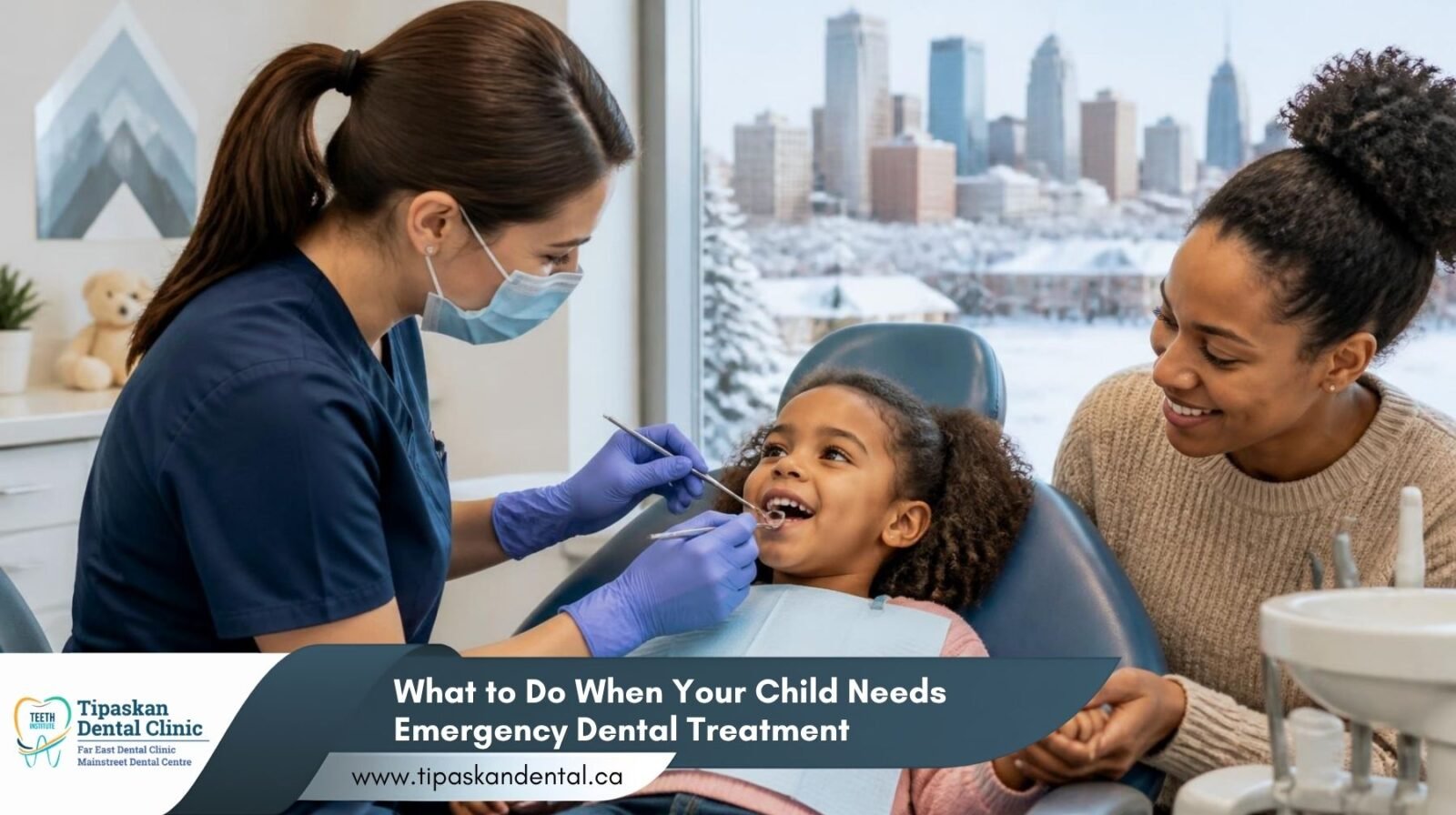
A dental emergency can be especially stressful when it happens to a child. A knocked-out tooth, severe toothache, broken tooth, or swelling can leave parents unsure about what to do next. Knowing when your child needs kids emergency dental treatment can help you respond calmly and seek appropriate care without unnecessary delays.
Children can experience dental emergencies for many reasons. Falls, sports injuries, accidents, tooth decay, and dental infections can all cause sudden problems. Some situations may require immediate dental attention, while others can be managed with a regular appointment.
The key is recognizing the warning signs and knowing when to contact a dental professional.
A dental emergency is a sudden dental problem that may require prompt professional assessment because of pain, injury, infection, bleeding, or significant damage.
Common dental emergencies in children include:
Not every dental problem is an emergency. However, when your child has significant pain, swelling, trauma, or rapidly worsening symptoms, prompt dental assessment is important.
For a general explanation of urgent dental situations, parents can also read Pediatric Emergency Dental Care in Edmonton: A Parent’s Guide.
The need for kids emergency dental treatment depends on the type and severity of the problem.
Parents should consider contacting a dentist promptly when their child has significant pain, facial swelling, a serious dental injury, uncontrolled bleeding, or other symptoms that cannot reasonably wait for a routine dental appointment.
Here are some of the most common situations.
Tooth pain can be difficult for children to describe. They may complain that their tooth hurts, avoid eating, wake during the night, or become unusually irritable.
A severe or persistent toothache may be caused by decay, damage, inflammation, infection, or another dental problem.
Pay particular attention if your child:
Pain relief may provide temporary comfort, but it does not identify the underlying cause. A dental examination can help determine whether your child needs urgent treatment.
Parents looking for an emergency dentist for kids in Edmonton should consider the severity of the symptoms rather than waiting for the problem to become worse.
Children can damage their teeth while playing, participating in sports, falling, or biting something hard.
A small chip may not always require emergency treatment. However, a larger fracture should be assessed, especially if your child has pain, bleeding, sensitivity, or visible damage.
If possible, keep any broken piece of the tooth and bring it to the dental appointment.
Prompt assessment can help determine whether the tooth can be repaired and whether additional treatment is necessary.
You can learn more about damaged teeth through Broken or Chipped Teeth: Restorative Dentistry.
A knocked-out permanent tooth is an urgent dental situation.
If your child’s permanent tooth has been completely knocked out following an accident or sports injury, seek professional dental care as quickly as possible.
Handle the tooth carefully and avoid touching the root. Do not scrub the tooth or attempt to clean it aggressively.
Parents should also remember that baby teeth and permanent teeth are different. If a baby tooth is knocked out, do not attempt to put it back into the socket. Contact a dental professional for guidance.
Because children’s teeth are still developing, prompt evaluation after dental trauma is important.
Swelling around a child’s tooth, gums, cheek, or jaw can sometimes indicate an infection or another dental problem.
Parents should pay close attention when swelling occurs with:
Swelling should not be ignored, particularly when it is getting worse.
If your child has severe swelling that affects breathing or swallowing, seek emergency medical care immediately.
Dental infections can develop when bacteria reach deeper parts of a damaged or decayed tooth.
Children may not always explain their symptoms clearly, so parents should watch for changes in behavior.
Possible signs include:
A dental infection requires professional assessment. Home remedies may temporarily reduce discomfort but cannot replace appropriate dental treatment.
Early dental care may also help prevent a developing problem from becoming more complicated.
Sports and active play can increase the risk of dental injuries.
A child may fall, collide with another player, or receive an impact to the mouth. The injury may result in a chipped tooth, loosened tooth, bleeding, or damage that is not immediately visible.
After a significant mouth injury, have your child’s teeth assessed if there is:
Using appropriate protective equipment during sports can also help reduce the risk of dental injuries.
Minor bleeding may occur after an injury to the mouth. However, bleeding that continues despite gentle pressure needs professional attention.
If your child has significant bleeding following a dental injury, contact a dental professional and explain what happened.
If the injury is severe or accompanied by other serious facial injuries, emergency medical care may be necessary.
Yes. The appropriate response can differ depending on whether the injured tooth is a baby tooth or a permanent tooth.
Baby teeth help children chew and speak while also maintaining space for developing permanent teeth. A damaged baby tooth still deserves professional assessment, even if it will eventually fall out naturally.
Permanent teeth need particular attention because they are intended to last throughout adulthood.
Parents should therefore avoid assuming that an injured baby tooth or permanent tooth can simply be ignored.
If you are unsure what type of dental care your child needs, contact a dental professional and describe the symptoms or injury.
Knowing what to do immediately after a dental injury can help protect your child’s mouth while you arrange professional care.
Have your child gently rinse their mouth with water. Avoid hard foods and chewing on the affected side.
If you find the broken piece, keep it and bring it to the dental appointment.
Handle the tooth carefully without touching the root and seek dental care promptly.
Do not scrub or scrape the tooth.
A cold compress placed against the outside of the cheek may provide temporary comfort.
However, swelling does not replace the need for dental assessment when an infection or significant injury is suspected.
Encourage your child to avoid foods or drinks that make the pain worse. Keep the mouth clean and arrange professional dental care.
Do not place aspirin directly on the tooth or gums.
Use gentle pressure with clean gauze or a clean cloth when appropriate. If bleeding does not stop, seek professional help.
These steps are temporary. They should not replace professional evaluation.
Parents often worry that an emergency dental visit will be overwhelming for their child.
The dental team will first want to understand what happened and what symptoms your child is experiencing.
Depending on the situation, the dentist may:
The treatment depends on the child’s age, the type of tooth involved, the extent of the damage, and the overall condition of the mouth.
The goal is to address the immediate concern while protecting the child’s developing oral health.
In some cases, prompt treatment may help preserve a damaged tooth.
The outcome depends on factors such as:
Some damaged teeth may be repaired or restored. Other situations may require different treatment.
For children who need broader dental care, Pediatric Dentist in Edmonton can be an important part of maintaining their oral health as they grow.
Not every dental concern requires immediate treatment.
A regular dental appointment may be appropriate when your child has:
However, symptoms can change. If mild discomfort becomes severe or new swelling develops, the situation should be reassessed.
When in doubt, parents can contact a dental clinic and explain the symptoms before deciding whether to wait.
Children’s teeth play an important role in eating, speaking, and normal oral development.
Ignoring a dental problem can allow discomfort or damage to continue. In some situations, an untreated problem may also affect surrounding teeth or make future treatment more complicated.
Regular dental visits can help identify problems before they become emergencies.
Parents can learn more about early dental care through How to Prevent Early Cavities With Your Child’s First Dental Exam.
Preventive care and prompt treatment work together to support a child’s long-term oral health.
Although some accidents cannot be prevented, parents can take practical steps to reduce the risk of dental emergencies.
Help your child develop a consistent brushing routine. Younger children may need assistance to clean their teeth effectively.
Routine dental examinations can help identify cavities, tooth damage, and other concerns before they become urgent.
A properly fitted mouthguard can help protect children’s teeth during contact sports and activities where facial injuries may occur.
Discourage children from chewing on hard objects that could damage their teeth.
Do not ignore repeated tooth sensitivity, pain, or visible changes in a child’s teeth. Early assessment may help prevent a minor problem from becoming an emergency.
When a child needs urgent dental care, parents naturally want a clinic where their concerns are taken seriously.
When choosing a dental clinic, consider:
A dental clinic that provides both emergency and ongoing care can make it easier to maintain continuity after an urgent dental visit.
For parents comparing dental options, How to Choose the Best Family Dentist in Edmonton provides additional guidance.
A child’s dental emergency may include severe tooth pain, a knocked-out permanent tooth, significant swelling, a serious dental injury, uncontrolled bleeding, a broken tooth with significant damage, or signs of dental infection.
Take your child for prompt dental assessment when they have severe or worsening pain, significant swelling, a serious tooth injury, a knocked-out permanent tooth, uncontrolled bleeding, or symptoms that may indicate infection.
A knocked-out baby tooth should be assessed by a dental professional, but parents should not attempt to put the baby tooth back into its socket. A dentist can determine whether any additional care is needed.
Handle the tooth carefully without touching the root and seek professional dental care as quickly as possible. Avoid scrubbing or scraping the tooth while preparing to receive dental care.
In many situations, a damaged tooth can be evaluated for possible repair or restoration. Treatment depends on the extent of the damage, the type of tooth involved, and whether the tooth’s inner structures have been affected.
Regular dental visits, daily oral hygiene, protective mouthguards during sports, avoiding hard objects, and addressing dental problems early can help reduce the risk of some dental emergencies.
When your child experiences sudden tooth pain, dental trauma, swelling, or another urgent concern, knowing what to do can make the situation less stressful. Prompt professional assessment can help determine the cause of the problem and the most appropriate next step.
If your child needs kids emergency dental treatment, Tipaskan Dental Clinic can assess the dental concern and help your family understand the available care options.
Tipaskan Dental Clinic
3228 82 St NW
Edmonton, AB T6K 3Y3
Phone: +1 (780) 462-1010
Email: Info@tipaskandental.ca
Hours: Monday to Saturday, 9:00 AM to 5:00 PM
If your child is experiencing significant dental pain, swelling, injury, or another urgent concern, contact Tipaskan Dental Clinic to discuss the situation and arrange appropriate dental care.

Tipaskan Dental provides personalized dental care for individuals and families in Mill Woods and Southeast Edmonton.
©2026 Tipaskan Dental – Precision In Dental Care, Perfection In Web Design — Webital Technologies & Signages